maintenance 7 min read
Tennis String Maintenance: How to Extend String Life
By Tennis Strings Team • March 1, 2024
maintenancedurabilitytipsstrings
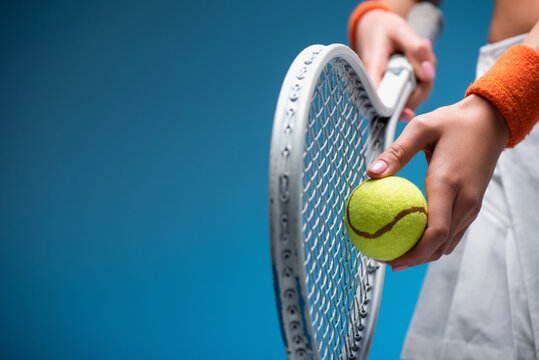
Tennis String Maintenance: How to Extend String Life
Proper string maintenance can significantly extend the life of your strings and improve performance. Here are proven techniques to keep your strings in top condition.
Understanding String Breakage
Common Causes of Premature Breakage
- Tension Loss: Strings lose elasticity over time
- Friction: Movement against grommets causes wear
- Impact Damage: Ball contact creates micro-tears
- Environmental Factors: UV light, moisture, temperature
Daily Maintenance Tips
Pre-Play Inspection
- Check string bed tension by pressing firmly
- Look for visible damage or loose strings
- Test ball bounce consistency
During Play
- Avoid hitting the net with strings
- Don't rest racquet on strings while sitting
- Keep strings away from abrasive surfaces
Post-Play Care
- Wipe down strings with clean cloth
- Store in cool, dry place
- Avoid extreme temperature changes
Advanced Maintenance Techniques
String Cleaning
Method 1: Mild Soap Solution- Mix mild dish soap with warm water
- Gently scrub strings with soft brush
- Rinse thoroughly and air dry
- Use commercial string cleaners
- Follow product instructions
- Apply sparingly to avoid residue
Tension Monitoring
- Use tension calibration tools
- Check tension every 2-3 play sessions
- Restring when tension drops 10-15%
Protective Measures
- String Dampeners: Reduce vibration
- String Protectors: Shield against wear
- Overgrips: Additional protection layer
String Type-Specific Care
Polyester Strings
- Durability: 8-15 hours
- Maintenance: Clean regularly, monitor tension closely
- Warning: Tension loss affects performance more than other types
Multifilament Strings
- Durability: 6-12 hours
- Maintenance: Keep clean and dry
- Tip: More susceptible to moisture damage
Natural Gut
- Durability: 6-10 hours
- Maintenance: Store in humidity-controlled environment
- Special Care: Avoid extreme conditions
Synthetic Gut
- Durability: 10-20 hours
- Maintenance: Most forgiving type
- Advantage: Easier to maintain
Environmental Considerations
Temperature Effects
- Hot Weather: Strings lose tension faster
- Cold Weather: Strings become brittle
- Ideal Storage: 60-75°F (15-24°C)
Humidity Impact
- High Humidity: Can cause fungal growth
- Low Humidity: Increases brittleness
- Solution: Use climate-controlled storage
When to Restring
Performance Indicators
- Loss of power or control
- Inconsistent ball response
- Visible string damage
- Arm discomfort increases
Time-Based Guidelines
- Casual Player: Every 2-3 months
- Regular Player: Every 4-6 weeks
- Tournament Player: Every 2-4 weeks
- Pro Player: Weekly or more
Pro Tips for Maximum Life
1. Pre-Stretching: Some machines offer pre-stretch feature 2. Proper Knot Tying: Prevents slipping 3. Frame Protection: Use bumper guards 4. Regular Cleaning: Weekly cleaning routine 5. Quality Strings: Invest in better strings for longer life
Common Mistakes to Avoid
- Over-Tensioning: Reduces string life
- Neglecting Cleaning: Allows dirt buildup
- Improper Storage: Accelerates deterioration
- Ignoring Warning Signs: Continue playing on dead strings
Cost-Benefit Analysis
Restringing Frequency Impact
- Frequent Restringing: Better performance, higher cost
- Extended Use: Lower cost, reduced performance
- Sweet Spot: Balance based on your playing frequency and budget